

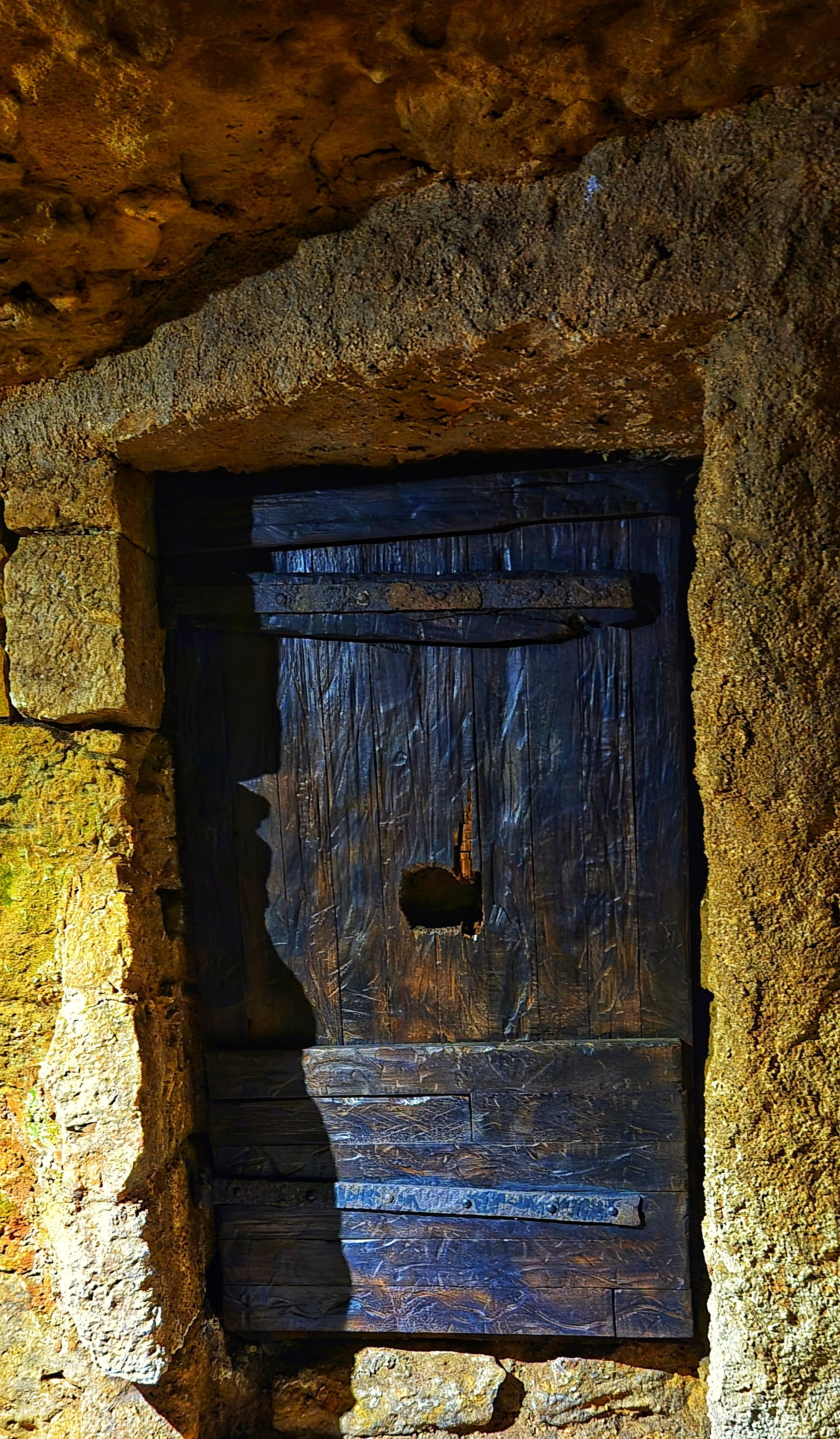
Troglodyte Caves of Belvès
Beneath the medieval village of Belvès lies one of its most fascinating features — a network of troglodyte caves carved into the rock, once used as homes and shelters.
Hidden below the streets, these underground dwellings offer a unique insight into daily life in the Middle Ages and make Belvès one of the most unusual villages in the Dordogne.
What are the troglodyte caves?
──────── ◆ ────────
The caves were carved directly into the limestone beneath Belvès and were used as living spaces, storage areas and shelters.
During times of conflict, they provided protection for local residents, while at other times they were used as part of everyday village life.
These are not natural caves — they were shaped and adapted by people over centuries.
──────── ◆ ────────
A glimpse into medieval life
──────── ◆ ────────
The troglodyte caves date back to the Middle Ages and were used for several purposes:
Homes for local families
Refuge during periods of unrest
Storage for food and supplies
Cool, stable environments during hot summers
Walking through the caves today, you can still see how the spaces were organised and adapted for practical use.
It’s one of the most tangible ways to understand how people lived in Belvès centuries ago.
──────── ◆ ────────
Visiting the caves
──────── ◆ ────────
Located in the centre of Belvès
Visits are typically guided
Tours take around 30–45 minutes
Tickets are booked through the tourist office, located in the historic Maison des Consuls.
The caves are easy to access as part of a visit to Belvès and are often included in local tours of the village.
It’s a short visit, but one of the highlights of Belvès.
──────── ◆ ────────
What to expect
──────── ◆ ────────
Cooler temperatures underground (even in summer)
Low lighting in some areas
Uneven surfaces in places
Comfortable shoes are recommended, and a light layer can be useful even on warm days.
──────── ◆ ────────
Plan your visit
──────── ◆ ────────
The troglodyte caves are best visited as part of a wider exploration of Belvès.
Combine your visit with:
a walk through the medieval streets
the historic market hall
panoramic viewpoints around the village
──────── ◆ ────────