Belvès
The Château de Belvès
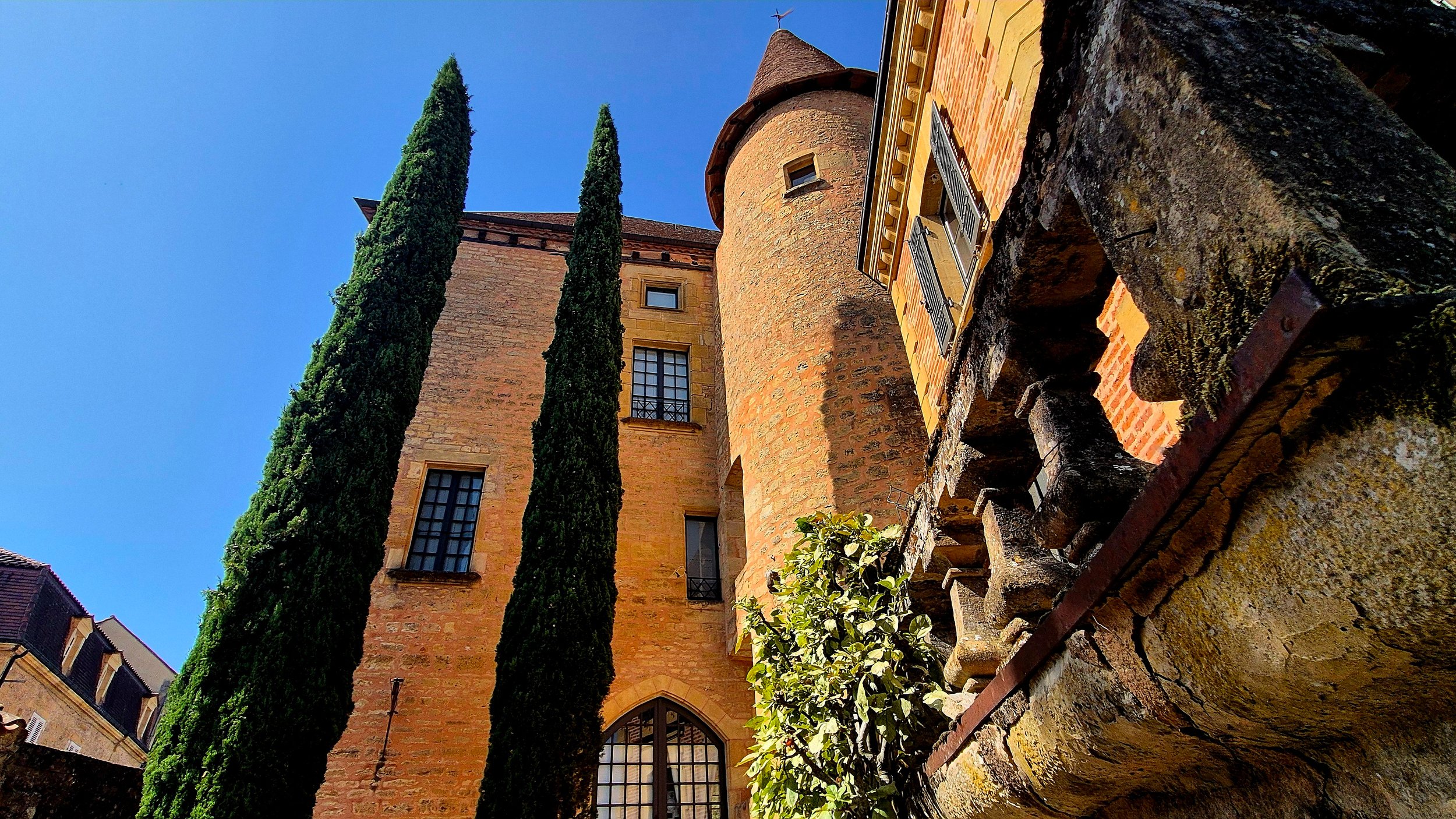
The Château de Belvès is one of the village’s most interesting historic buildings, offering a quieter and more subtle glimpse into its medieval past.
Unlike the dramatic castles of the Dordogne Valley, it is integrated into the streets of the village itself.
A medieval residence
──────── ◆ ────────
The château dates back to the Middle Ages and was originally built as a residence for a local noble family.
Over time, it was adapted and extended, reflecting changes in both architecture and the way the building was used.
Today, you can still see:
Tall stone façades built along the street
Arched openings at ground level
Decorative window details typical of the period
Later additions that show how the building evolved
Rather than standing apart, it blends into the village around it.
──────── ◆ ────────
Hidden details
──────── ◆ ────────
One of the most interesting aspects of the château lies inside.
During restoration work, historic wall paintings were uncovered, offering a glimpse into the artistic world of the time.
These depict legendary figures associated with ideals such as honour and courage, adding another layer to the building’s story.
It’s a reminder that this was not just a residence, but part of a wider cultural and historical context.
──────── ◆ ────────
A different kind of château
──────── ◆ ────────
The Château de Belvès stands apart from many others in the Dordogne.
It is not a large fortress
It is not set on a cliff
It is not isolated from the village
Instead, it reflects a more integrated and everyday form of medieval life.
──────── ◆ ────────
What to look for
──────── ◆ ────────
As you walk through the village, look out for:
Stonework and carved architectural details
Arched entrances and window frames
Subtle changes in the structure over time
The way the building connects with surrounding streets
It’s easy to miss, which makes spotting it part of the experience.
──────── ◆ ────────
Exploring Belvès
──────── ◆ ────────
The château is best discovered as part of a walk through the village.
Start in the main square
Explore the narrow streets of the castrum
Take time to notice the details around you
It’s less about visiting a single site and more about understanding the village as a whole.
──────── ◆ ────────