Cyril Zacharian
Cyril Zacharian – Contemporary Artist
Meet the Artist:
Cyril Zacharian
Colour, Movement & the Search for What Lies Beyond the Image
Bold, expressive and constantly evolving, the work of Cyril Zacharian brings together colour, movement, memory and transformation.
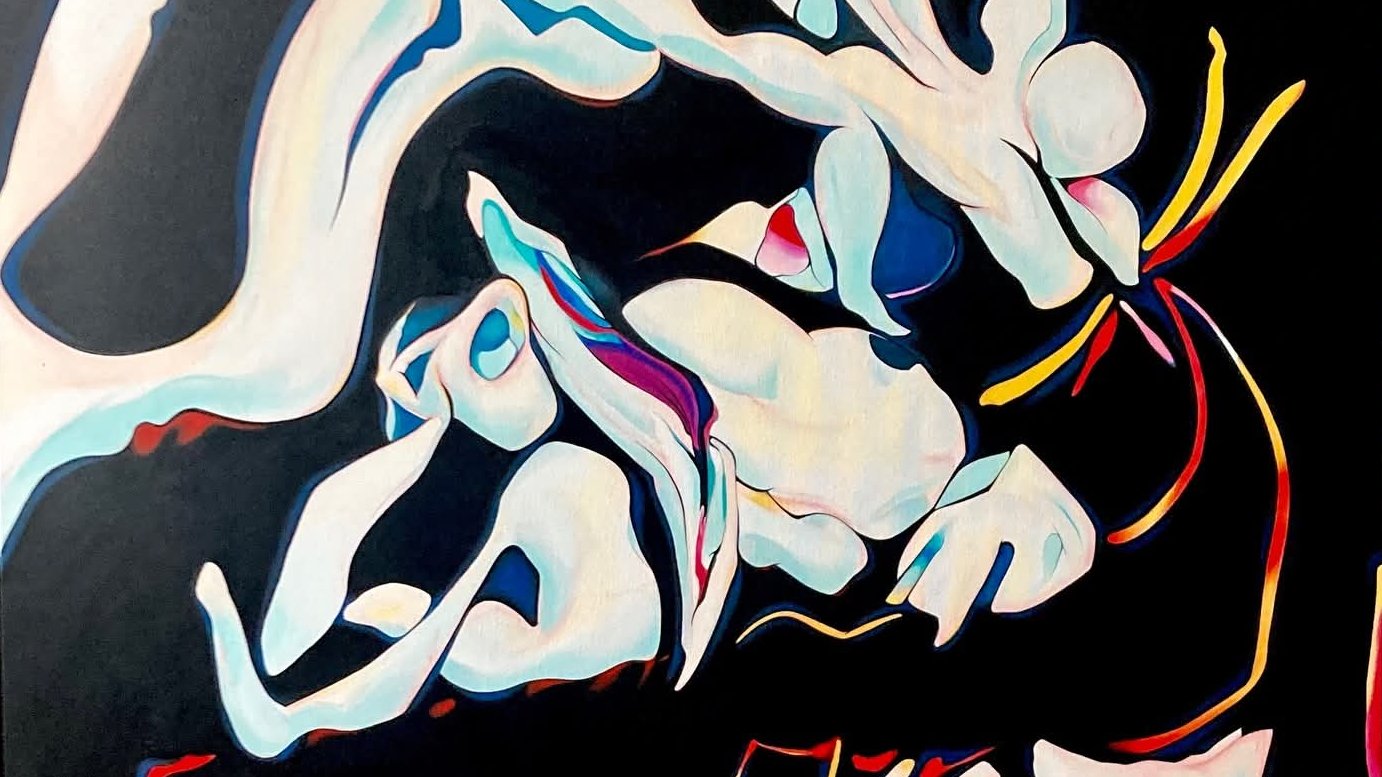
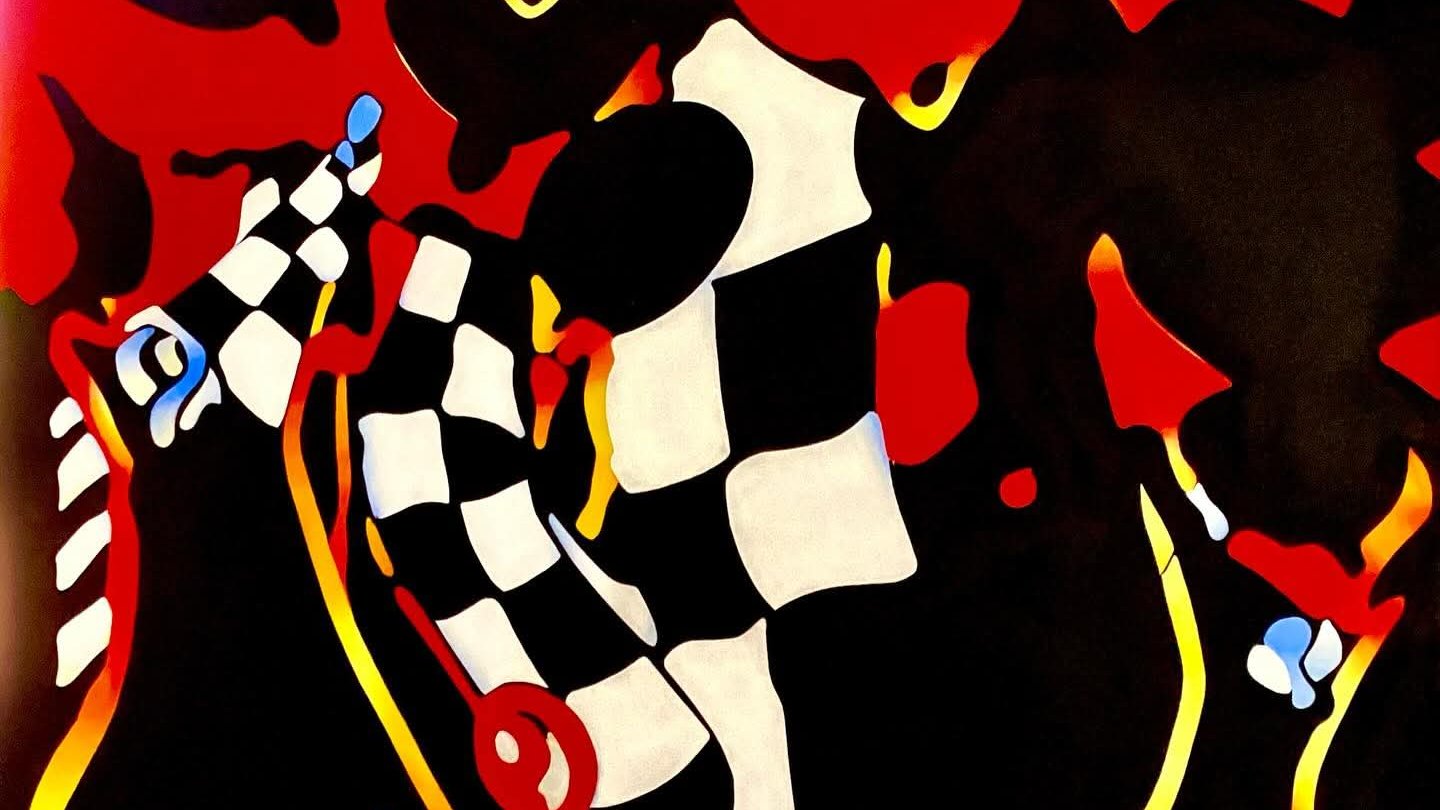
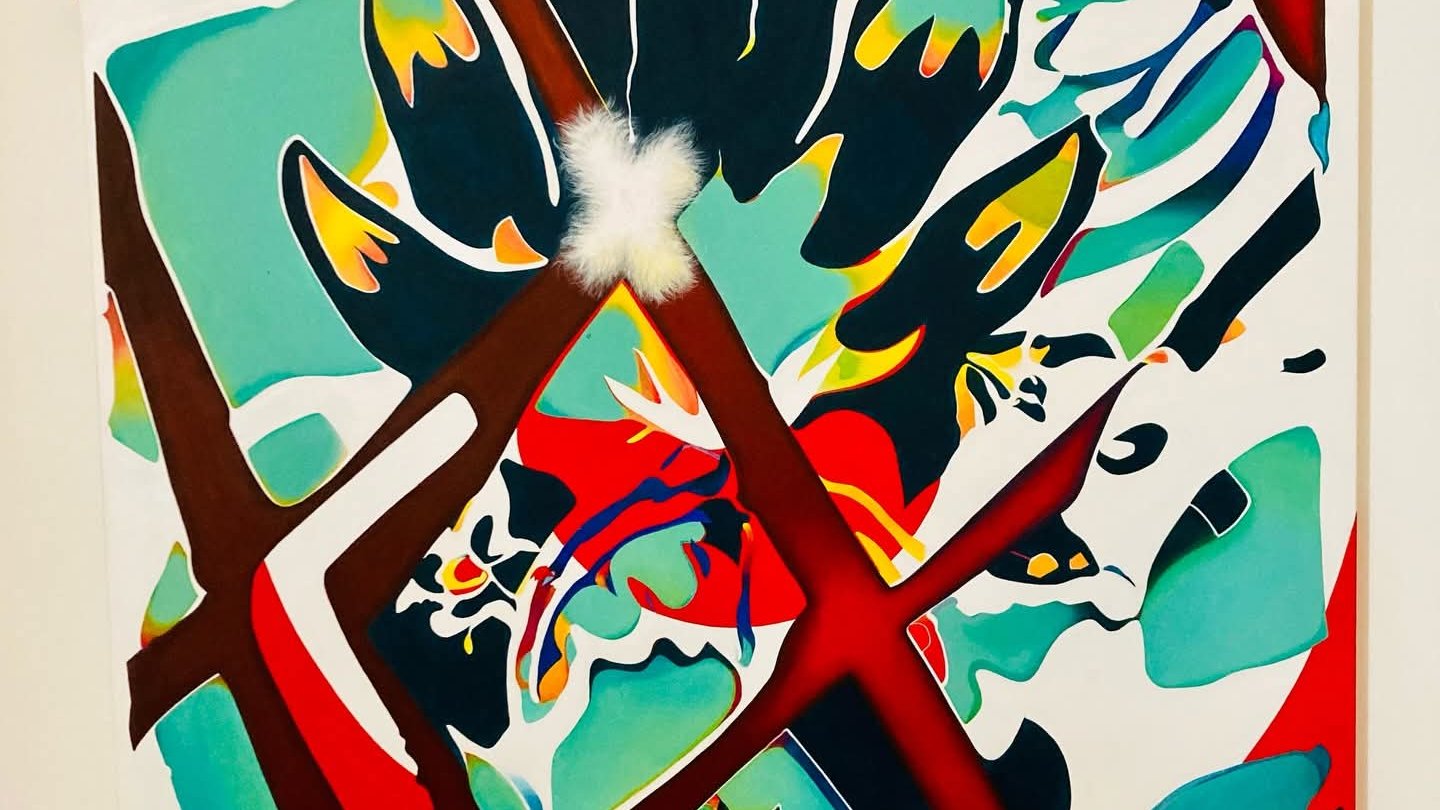
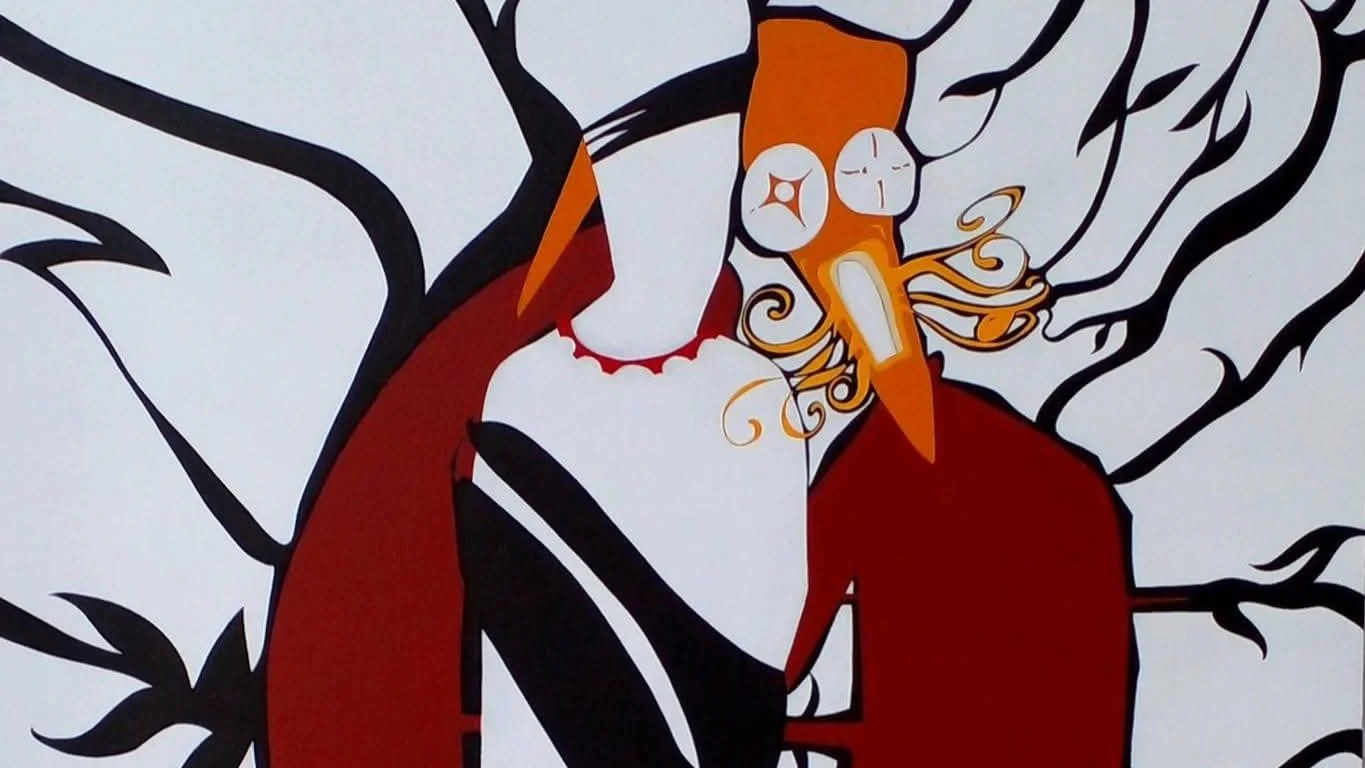
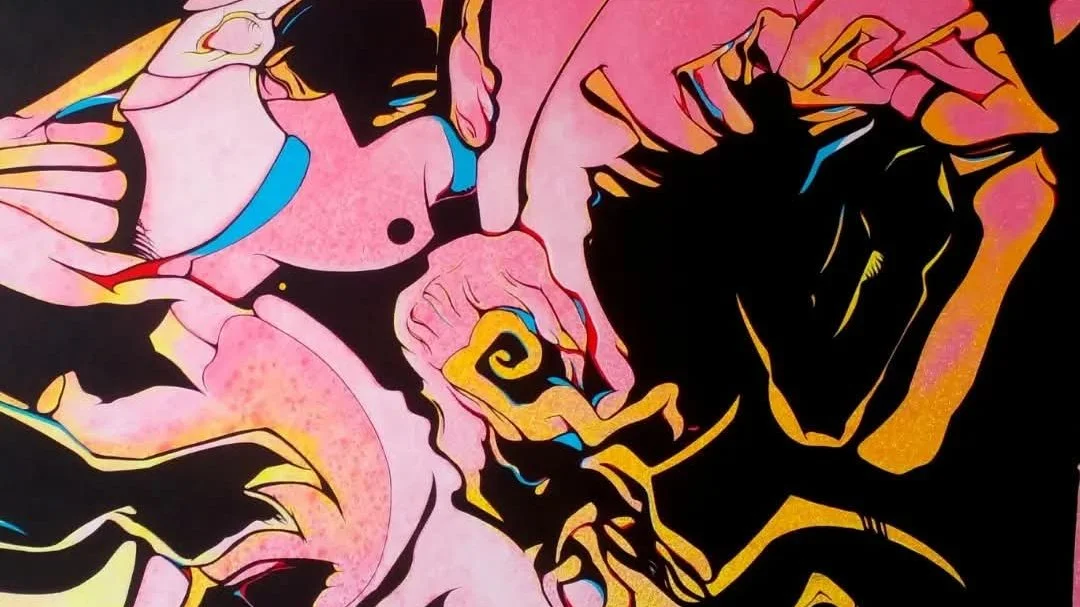
Working today mainly with acrylic paint, Cyril creates works in which forms emerge, collide and sometimes disappear. His paintings move between abstraction and recognition, between what can be seen and what remains uncertain.
A line can become a figure.
A figure can dissolve into colour.
And what seems familiar can suddenly become something else.
Featured works of Art
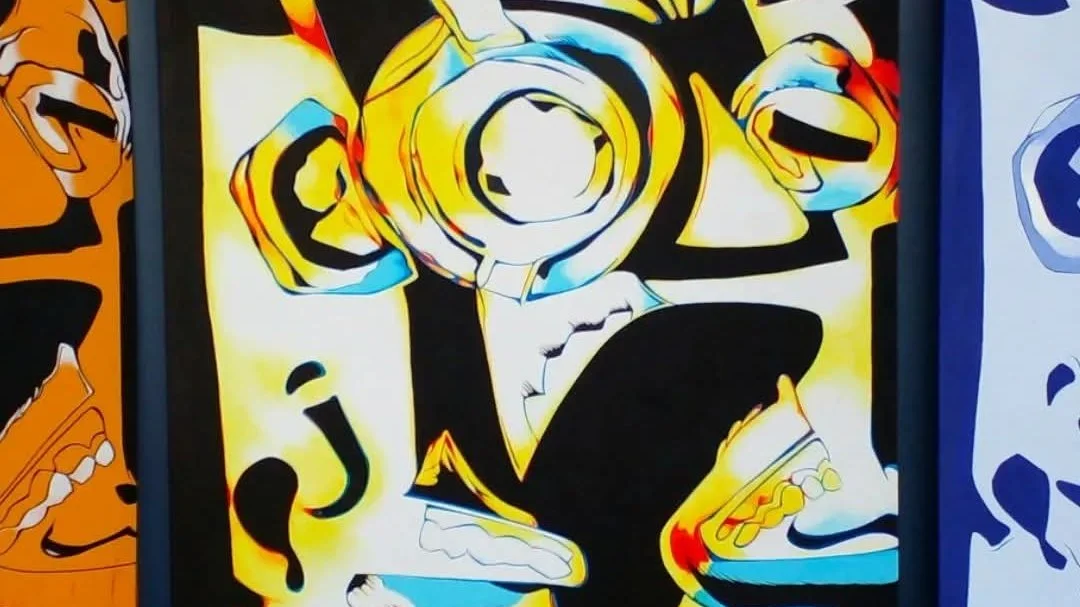
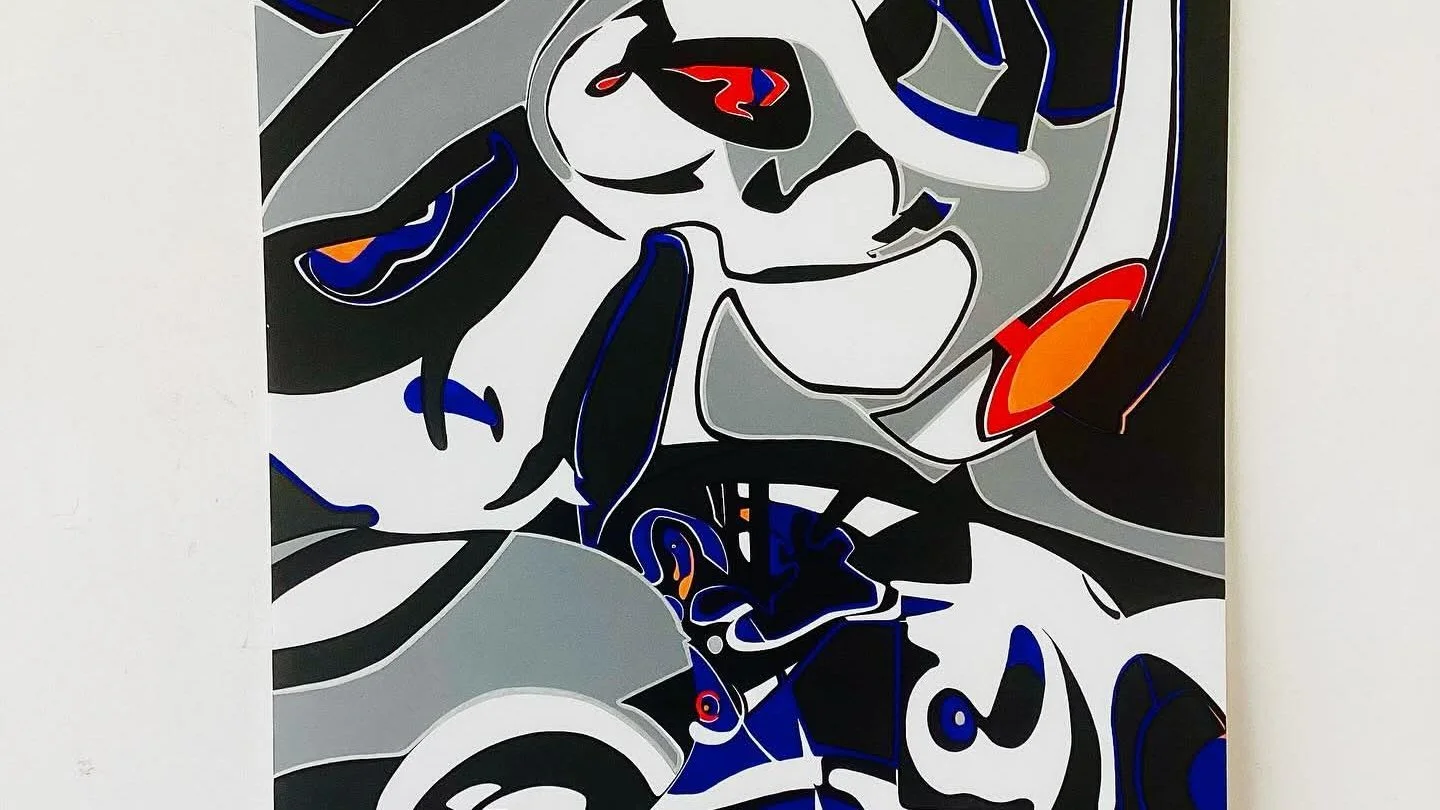
Cyril Zacharian
An Artist in Constant Evolution
Cyril’s contemporary practice is part of a much longer artistic journey, one that has crossed continents, techniques and ways of seeing.
Before settling in the Périgord, Cyril spent many years in French Polynesia. During that period, his work was marked by drawing, Indian ink and watercolour. His compositions were extremely detailed, combining precise lines with imagined landscapes and forms inspired by the Polynesian world.
The process was slow and meticulous. Drawing came first, followed by countless fine lines of Indian ink, with colour eventually introduced through watercolour.
Cyril once compared this way of working to that of an illuminator.
Over time, his relationship with painting changed. Precision gave way to greater freedom, watercolour to acrylic, and detailed representation to a more instinctive exploration of colour, movement and form.
Yet the question at the heart of his work remained remarkably consistent:
What can an image become when it is allowed to change?
A New Language in Acrylic
Cyril’s recent paintings explore the unstable territory between representation and abstraction.
His acrylic works are energetic and graphic. Lines cross and divide the surface. Areas of intense colour meet black, white and empty space. Forms may suggest a face, a body, a landscape or another recognisable presence, before slipping back into the painting.
The viewer is invited to take part in this movement.
There is no single prescribed way to read the work. Meaning can appear, disappear and return differently from one viewer to another.
This tension between control and spontaneity, recognition and uncertainty, is central to Cyril’s recent practice.
His paintings are less concerned with delivering a fixed image than with creating a space in which an image can continue to transform.
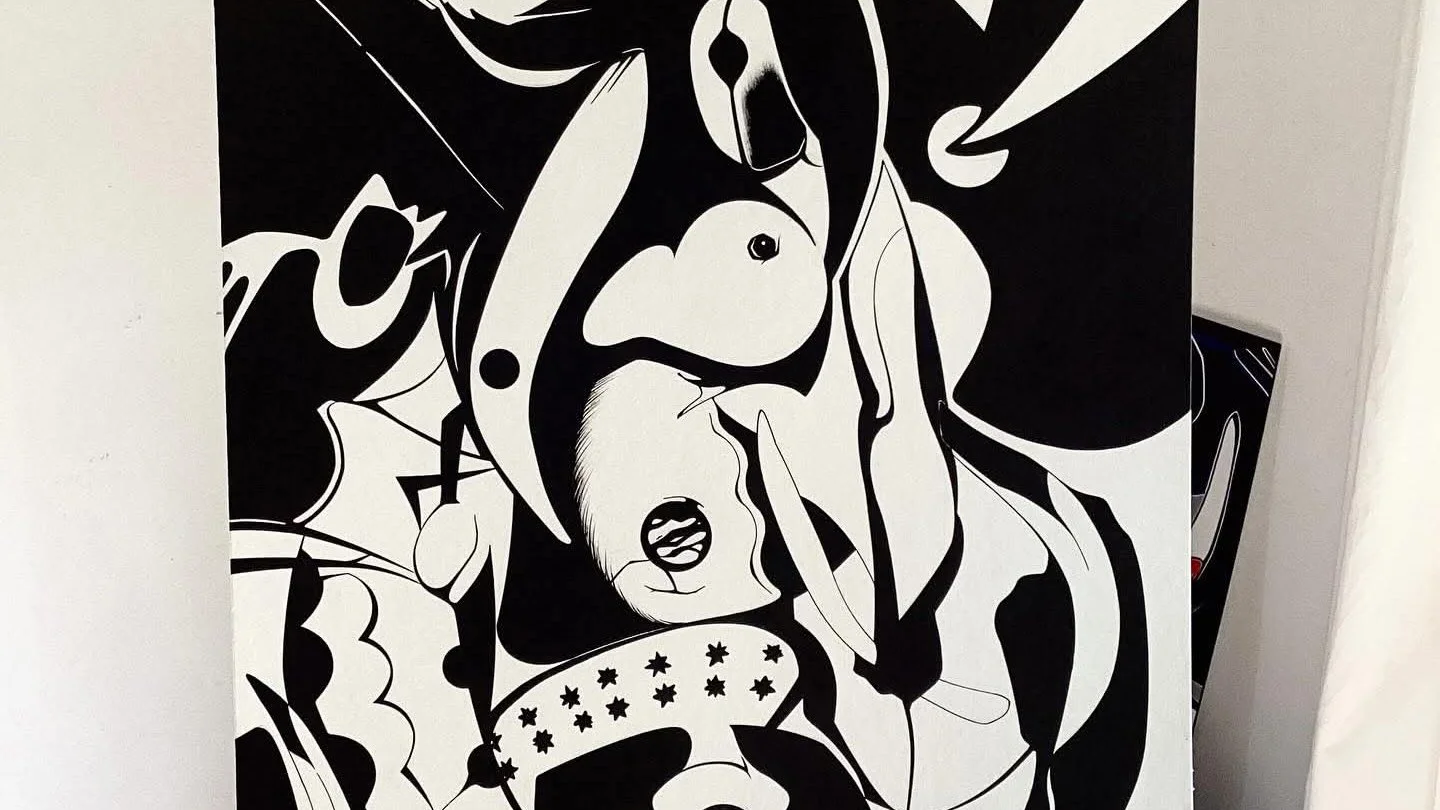
A step aside : When the Painter Gives Up the Last Word
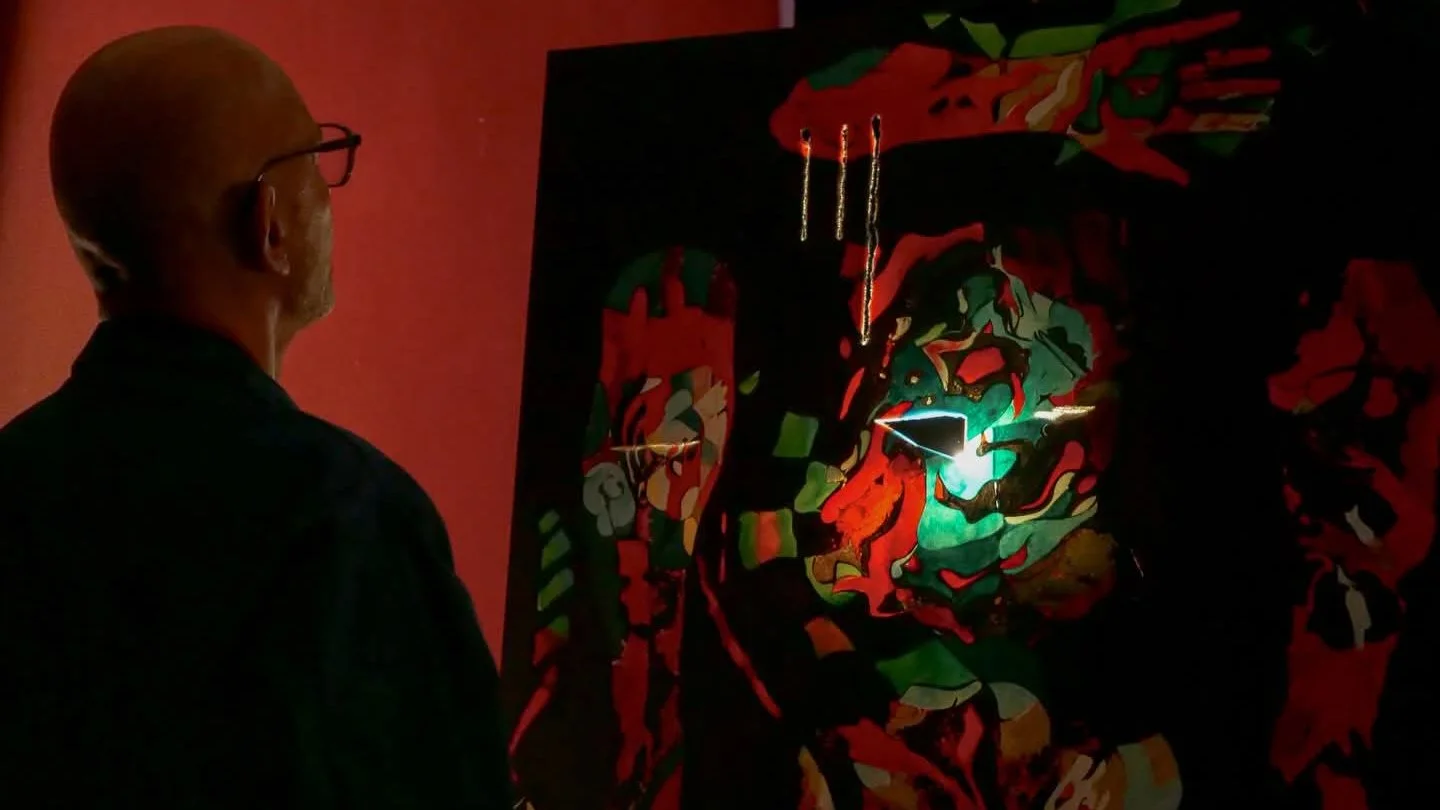
Cyril’s recent practice has also led him towards performance.
In Le Pas de Côté ( a step aside), a finished painting is placed inside a situation where the artist no longer controls every decision concerning its transformation.
During the performance, instructions appear one after another. Cyril follows them without knowing the complete sequence in advance. The painting may be cut, scratched, altered, removed from its original state or transformed through the actions required of him.
The technology used to generate and transmit these instructions is only a means to create this situation.
The deeper question lies elsewhere:
What remains of the author’s gesture when the artist accepts not to have the last word?
The painting becomes a place of passage. The finished work is no longer an endpoint, but the beginning of another process.
For Cyril, this experience extends a much older question within painting: how much control does an artist really need to retain for a work to remain his?
From Polynesia to the Périgord
There is a strong contrast between Cyril’s artistic worlds.
The painstaking watercolours of his Polynesian years required patience, precision and extraordinary attention to detail.
His contemporary acrylic paintings are more immediate and open. They allow accidents, interruptions and transformations to become part of the work.
Yet the distance between these two periods may be less important than it first appears.
Both are concerned with transformation.
Both begin with an image and allow that image to become something else.
Today, this continuing exploration has found a new context in the Pays de Belvès, where questions of passage, memory, transformation and the unstable nature of the image have become increasingly important to his work.
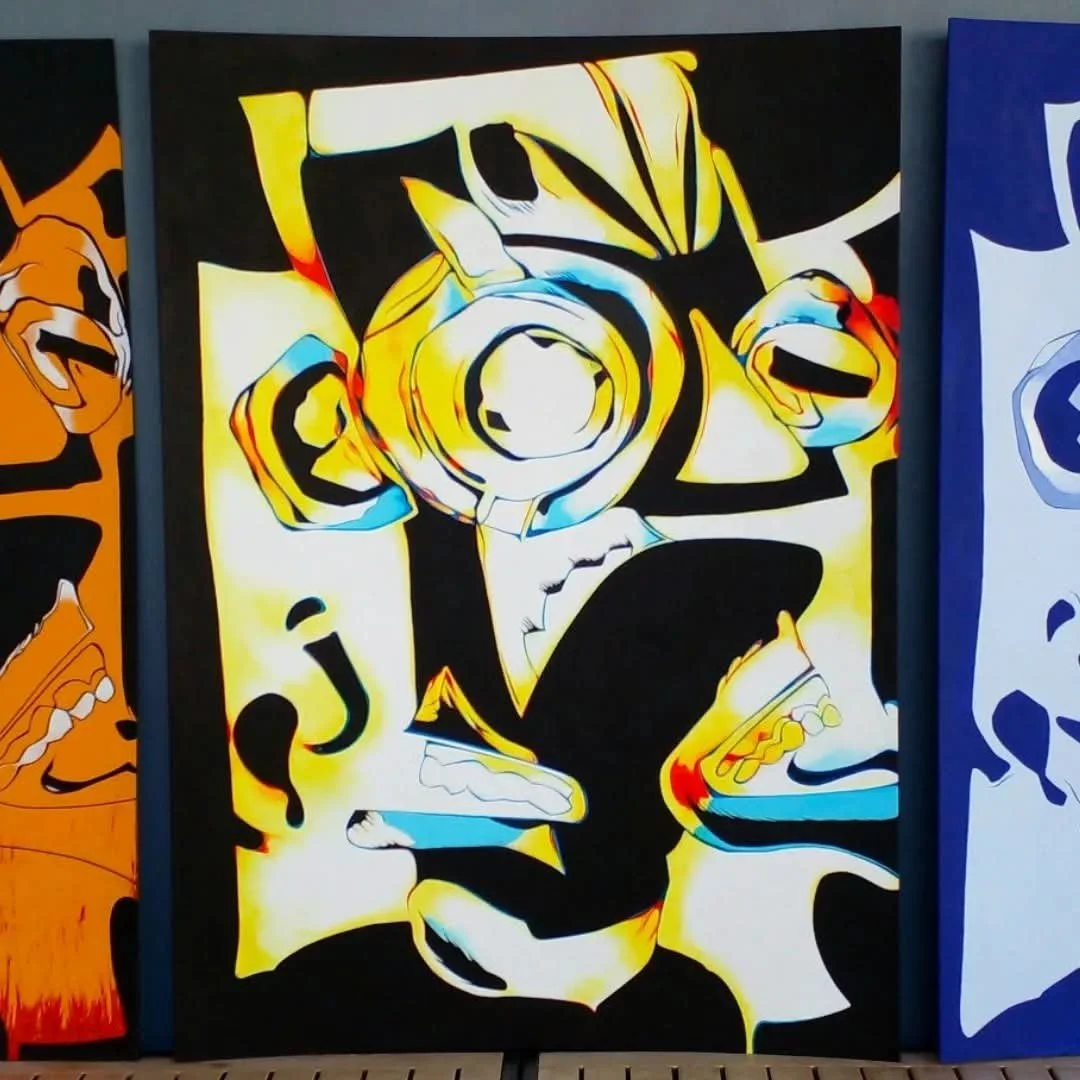
Discover Cyril Zacharian
Explore more of Cyril’s current work, follow his latest creations and discover the evolving world behind his paintings.
Cyril’s work is presented in the Pays de Belvès through exhibitions, performances and encounters with the public.
Visit the Gallery
Naz Hussey – Artist
Rue Jacques Manchotte
24170 Pays de Belvès
Dordogne, France
Connect with the Artist
Follow Cyril online to discover new paintings, performances, exhibitions and current projects.
Instagram: Cyril Zacharian
Cyril Zacharian’s work forms part of the growing community of artists and makers bringing a contemporary creative energy to Belvès and the surrounding Périgord Noir.